


07 Mar DIFFERENCES BETWEEN CHEAP AND CONVENIENT IN THE CLEANING SECTOR: A GUIDE FOR RETAILERS
The cleaning sector, also known as the cleaning industry, plays a fundamental role in the health and well-being of people and the environment. It includes a wide range of services and products designed to keep environments clean, hygienic and safe. This sector spans several segments, including commercial, industrial, residential and specialised cleaning.
The importance of product selection for retailers in the cleaning sector cannot be underestimated. The products used must be effective in removing dirt, bacteria and germs, while also meeting safety and sustainability standards. The selection of products for retailers in the cleaning sector is crucial to ensure customer satisfaction, safety and effectiveness of cleaning operations.
The competitiveness in the sector and the economic growth prospects for cleaning companies emphasise the need to differentiate themselves through the quality and efficiency of the products offered. Statistics show that investing in high-quality cleaning products is not only a matter of responsibility towards public health and well-being, but also a strategic economic decision for companies in the sector, which can benefit from an expanding market and a growing awareness of the importance of cleanliness and hygiene.
This article will analyse in detail the distinction between cheap and convenient products and how this difference influences stock and marketing choices. Let’s start by precisely defining the meaning of these two terms, namely cheap and convenient:
Cheap: products that have a low purchase cost, but may not offer the best quality or durability. This term is often associated with a perception of lower value in the long term.
Convenient: products that offer excellent value for money. Although the purchase price may be higher, the superior durability, efficiency or performance justifies the extra cost.
Convenient is a product that is sold almost exclusively within a professional market, where the customer is very attentive to product specifications and not just to how it is presented externally. Sellers, in order to get customers to buy their product, provide detailed justifications of its features. The customers in question carry out a careful analysis of the products given the large quantities they generally buy.
The low-cost product is a shelf product that is specially created with fancy packaging, bright colours and large lettering. All these characteristics make it very appealing to all consumer customers, who in most cases do not pay particular attention to product specifications and its intrinsic quality. The customer who buys this type of product thinks he is saving money by having bought cheaply a product that he thinks is of high quality or/and great volume.
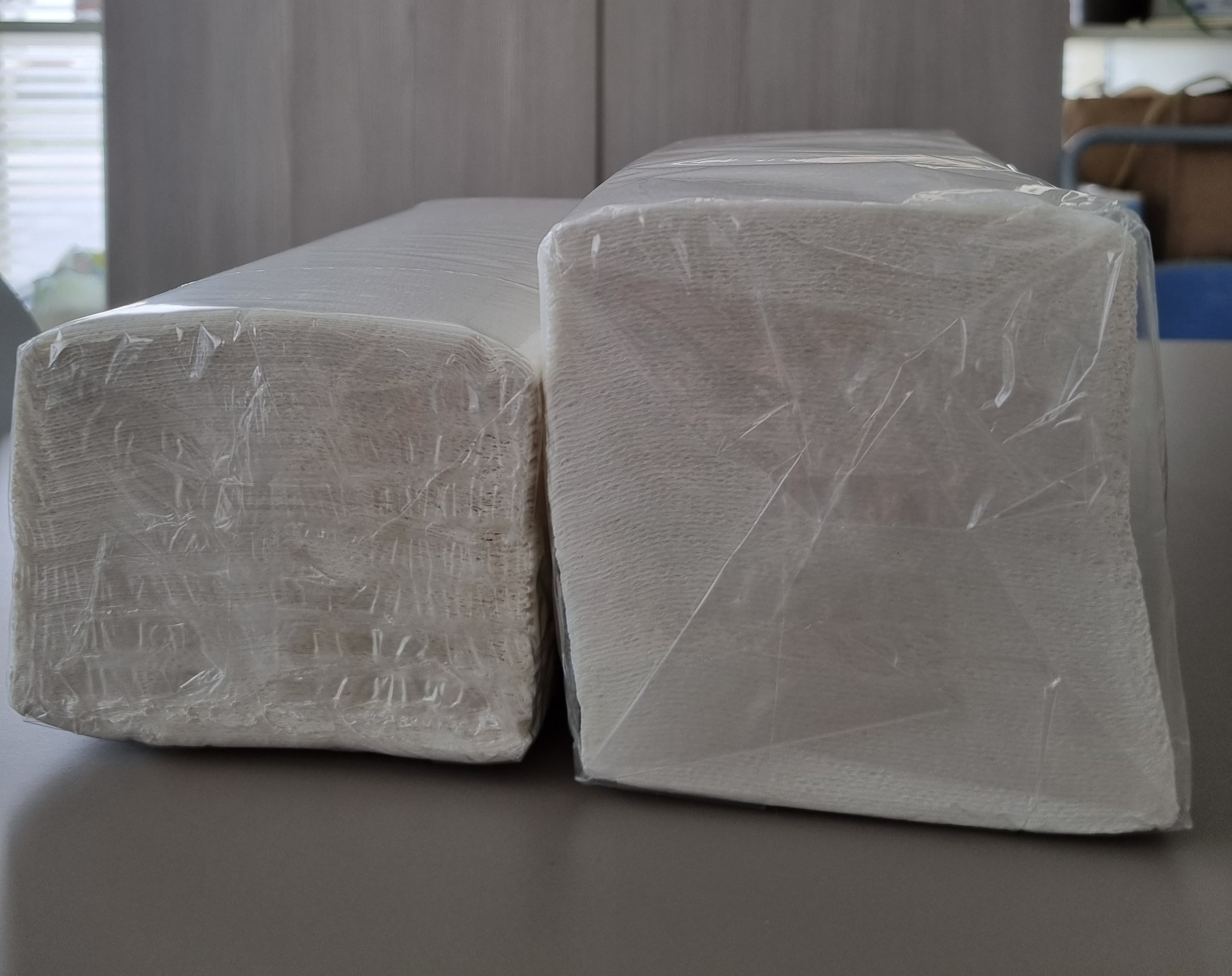
The Total Cost of Ownership (TCO) is what most influences, in the long run, the convenience of a product. If, for example, we buy a packet of towels that are of poor quality and only bulky to the eye, we will use a lot more tissues, because of the low absorbency of the paper, and consequently they will run out very soon, especially if the number of towels in the packet is indeed low. Furthermore, the cheap product is very often replicable by any operator in the sector, who will only have to produce it and consequently sell it at a lower price; the convenient product, on the other hand, has its own characteristics that are difficult to replicate, with well-marked and explicit strengths, but which must be explained and understood if they are to be widely disseminated among consumers.
It must be the retailer himself who has an interest in offering a quality product at the right price, as well as promoting it strongly so that the customer can perceive its real value, not preferring a cheap and consequently poor quality product to the final choice. Pictograms, immediate information and slogans that focus on relevant product features can be very useful tools for developing a winning marketing strategy.
There are several reasons why a convenient product is preferable to a cheap one: for example, a compact toilet roll allows for fewer operator interventions for roll changes, and a compact multi-purpose roll allows for better optimised storage and thus savings in warehousing and transport costs. It is crucial for retailers to be able to distinguish between cheap and convenient products so as to make the best choices for building their market proposition. A long-term relationship with the customer, based on trust and quality, is crucial for business continuity, more so than maximising profits.
The buying and selling strategies that underpin all companies are fundamental to guaranteeing customer satisfaction in the long term, so they must always be reviewed with a view to improving quality and convenience. WHICH DIRECTION WILL YOU GO?
